Orthodontic treatment can create healthier smiles and improve alignment, but braces, clear aligners, retainers, and other orthodontic appliances can also make daily oral care more challenging. Food and plaque can collect more easily around brackets, wires, and attachments, increasing the risk for cavities, inflammation, and staining if home care is not consistent.
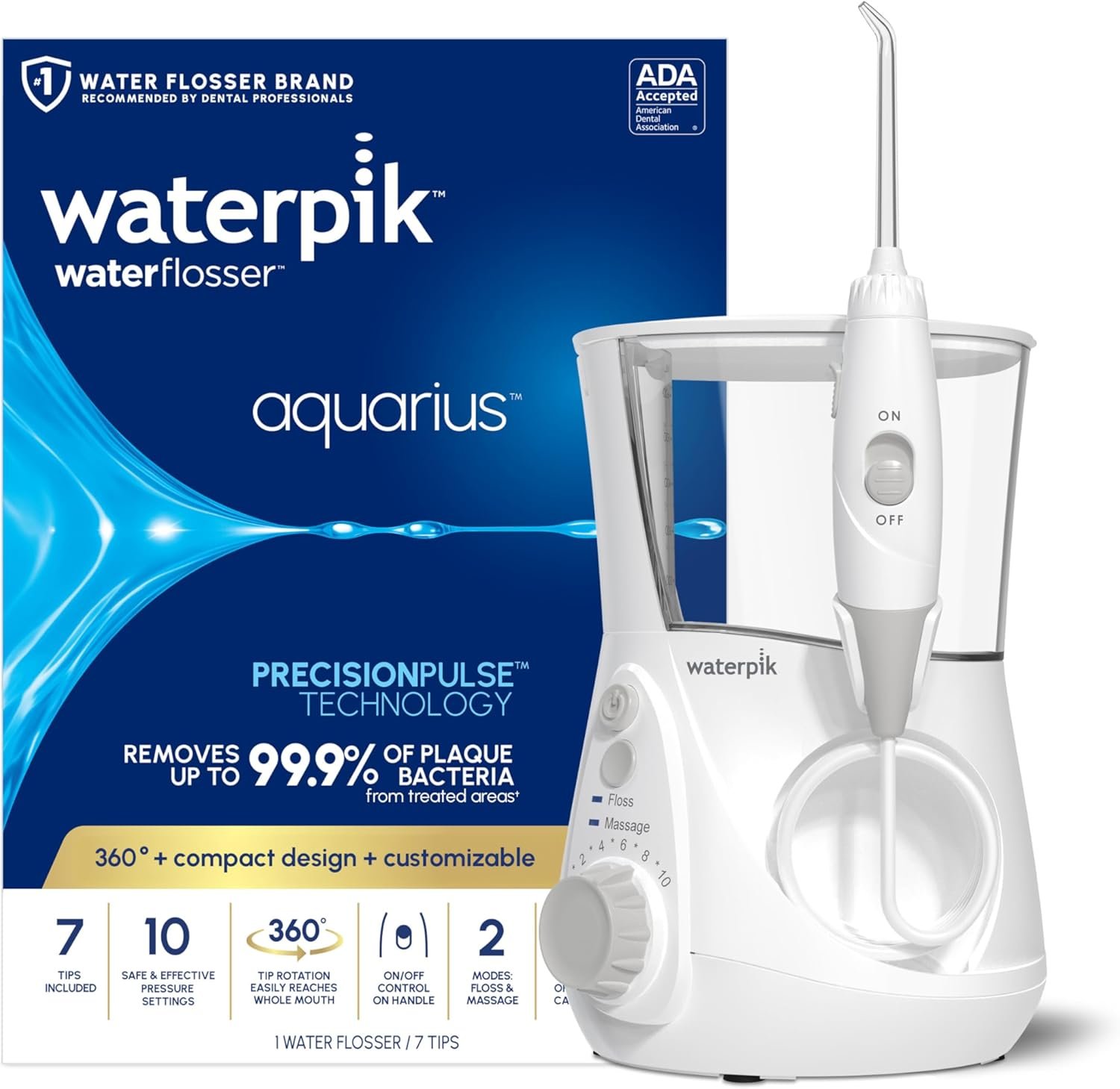
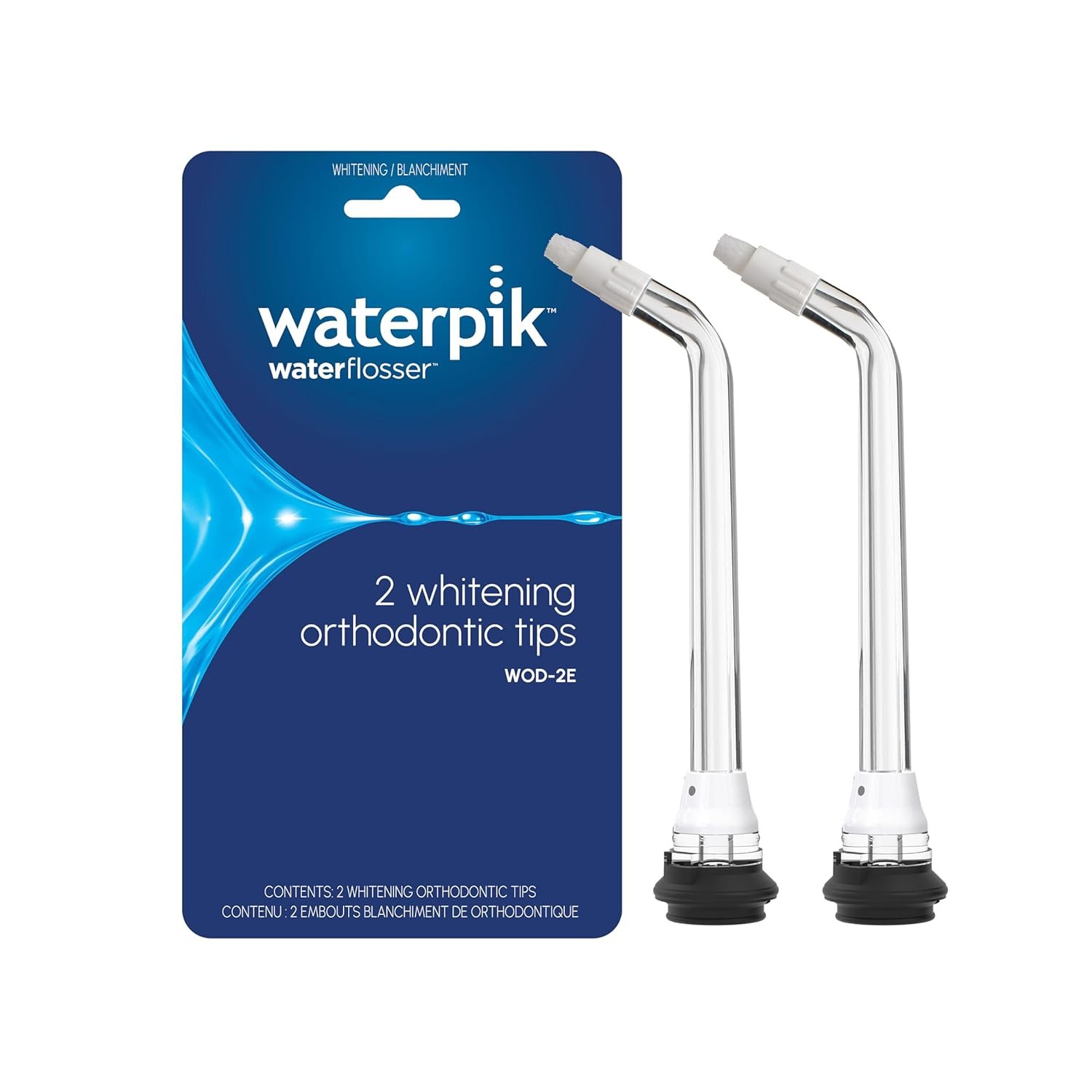
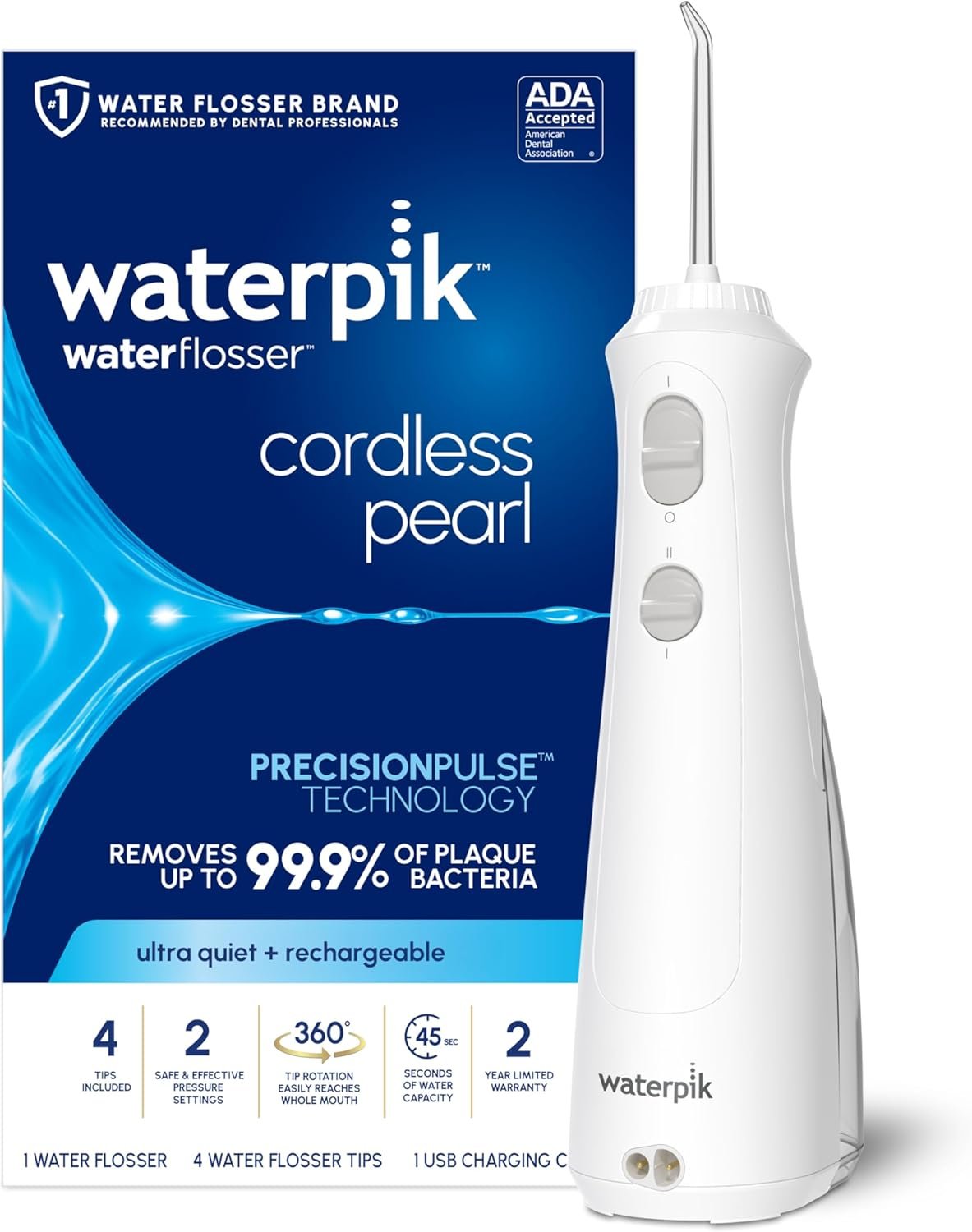
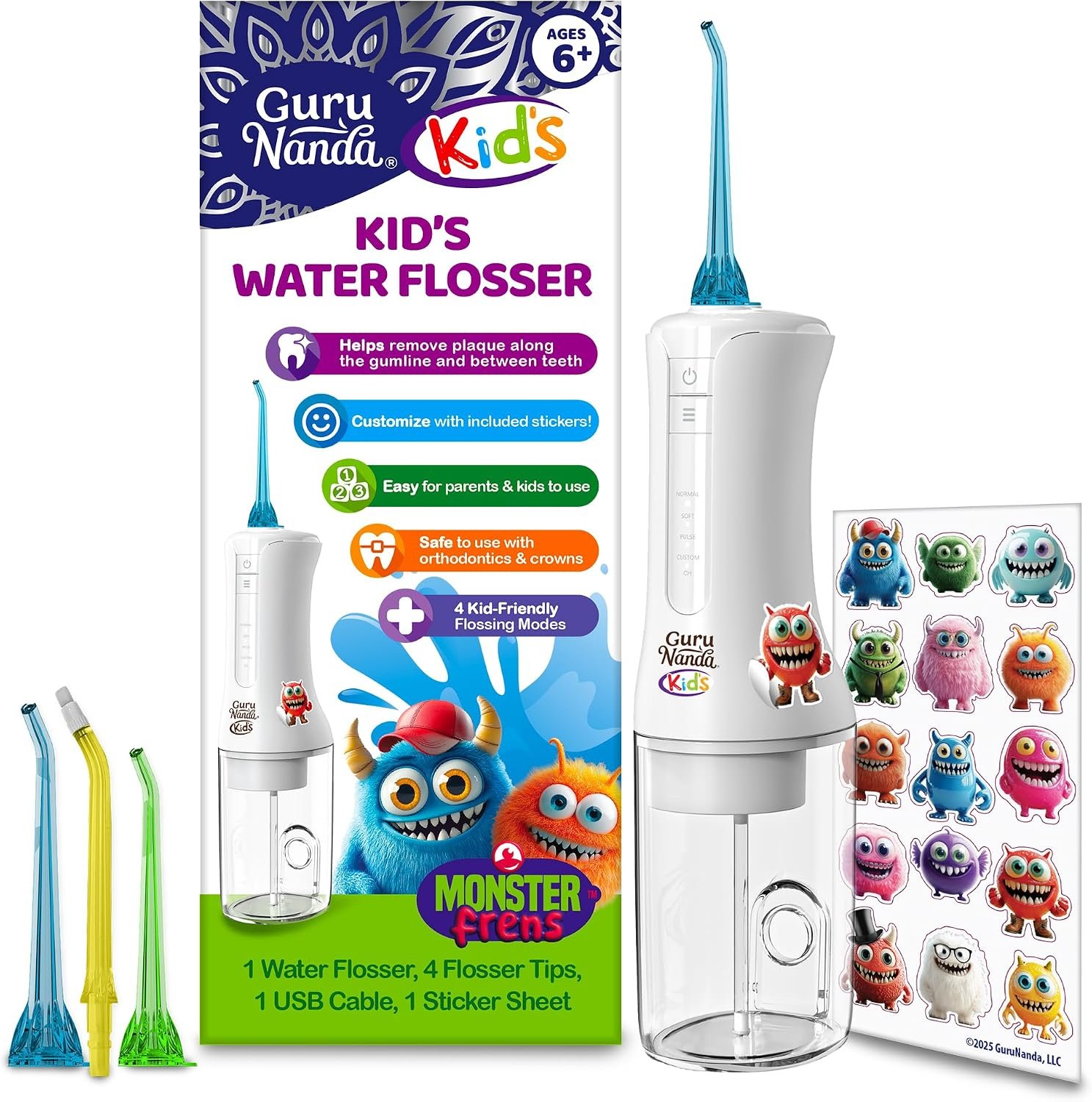
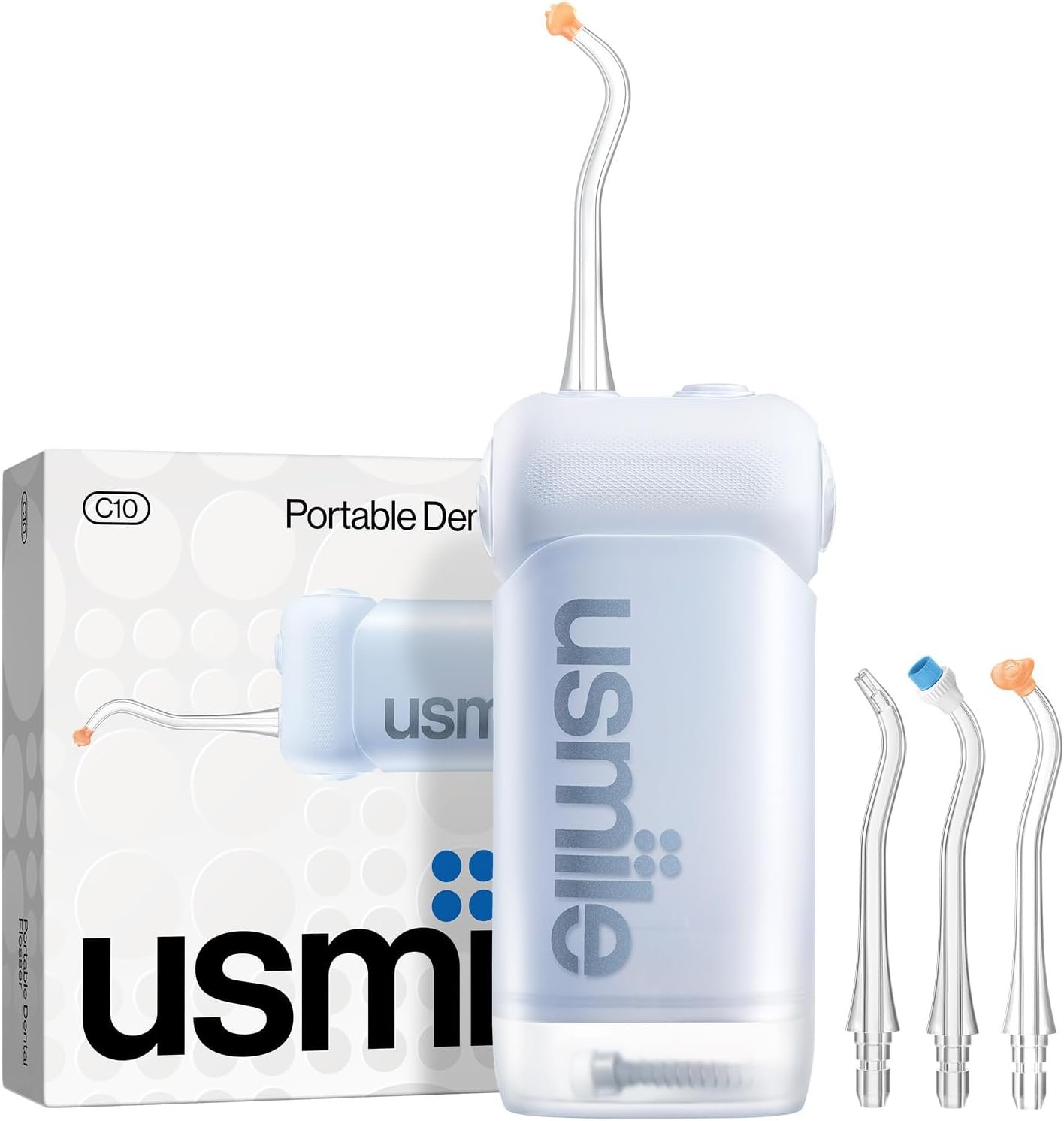
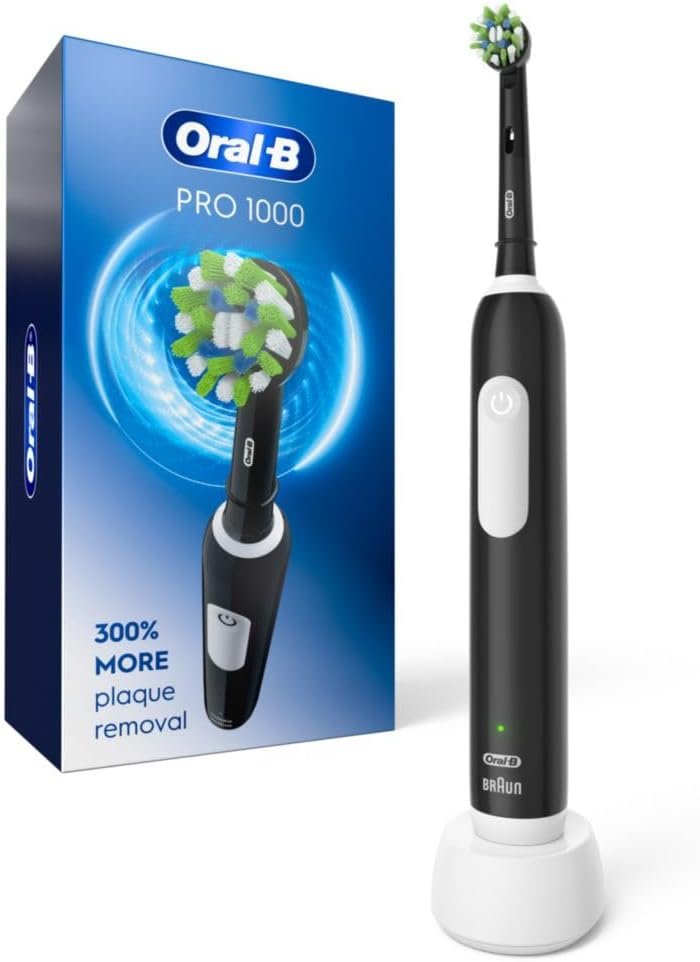
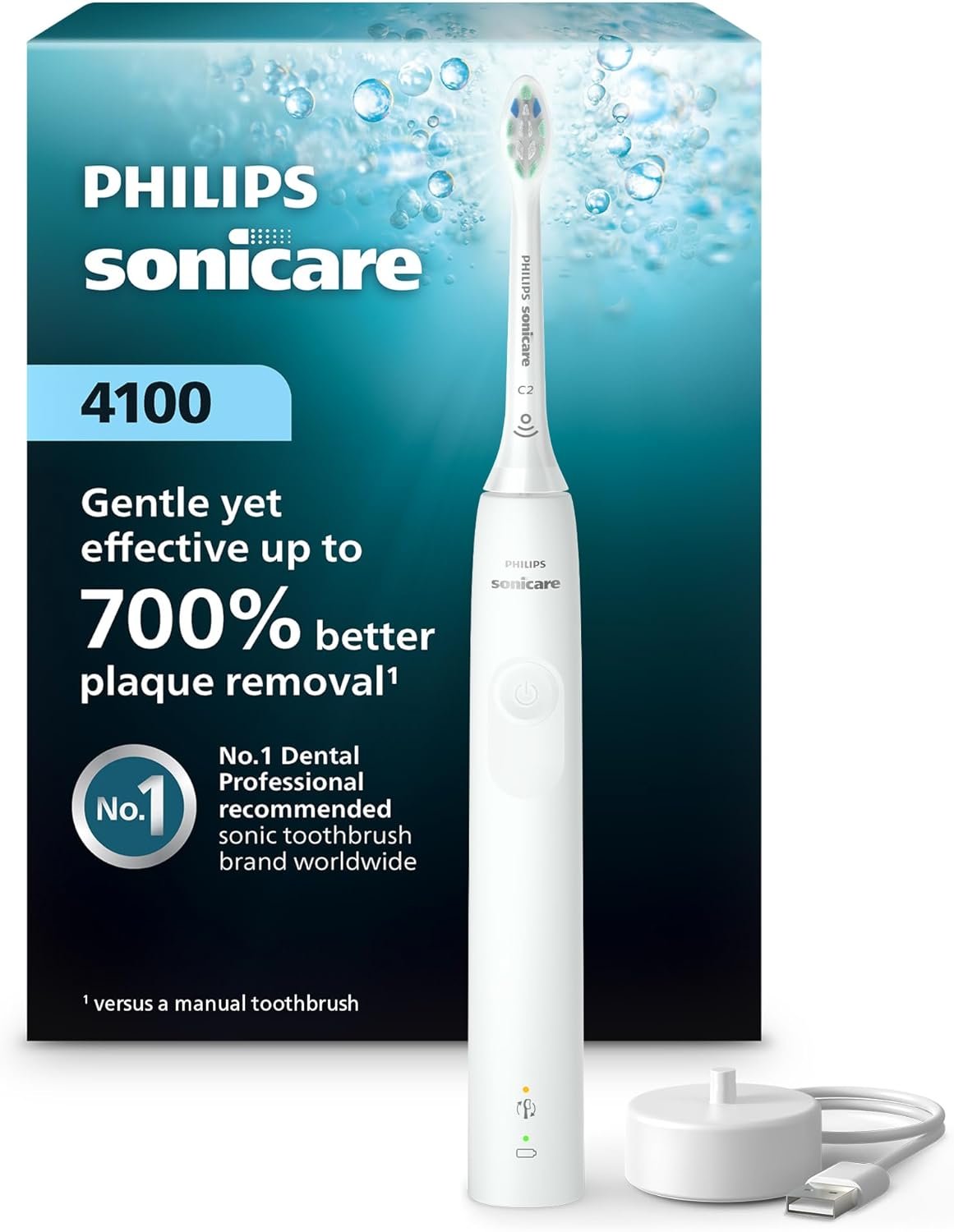
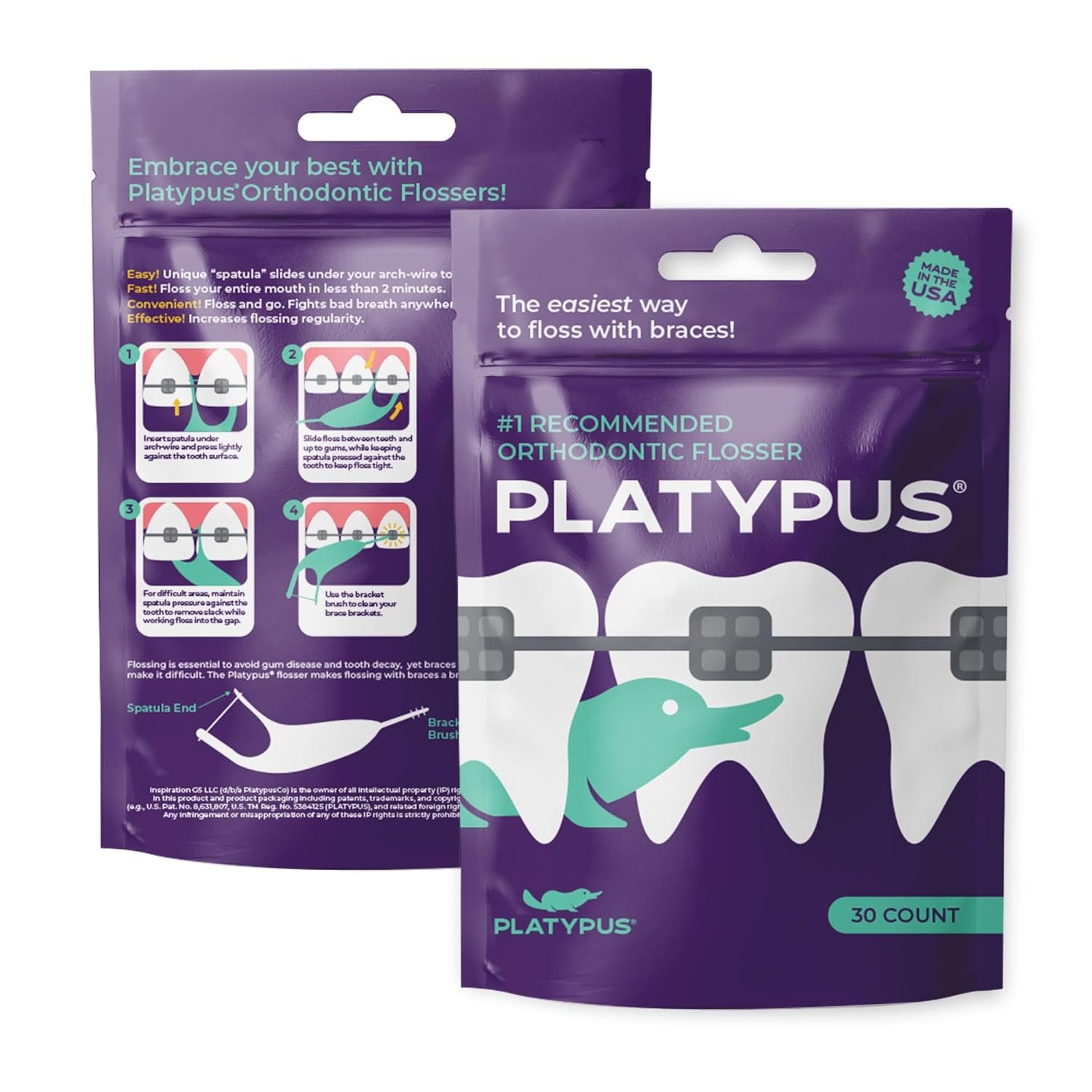
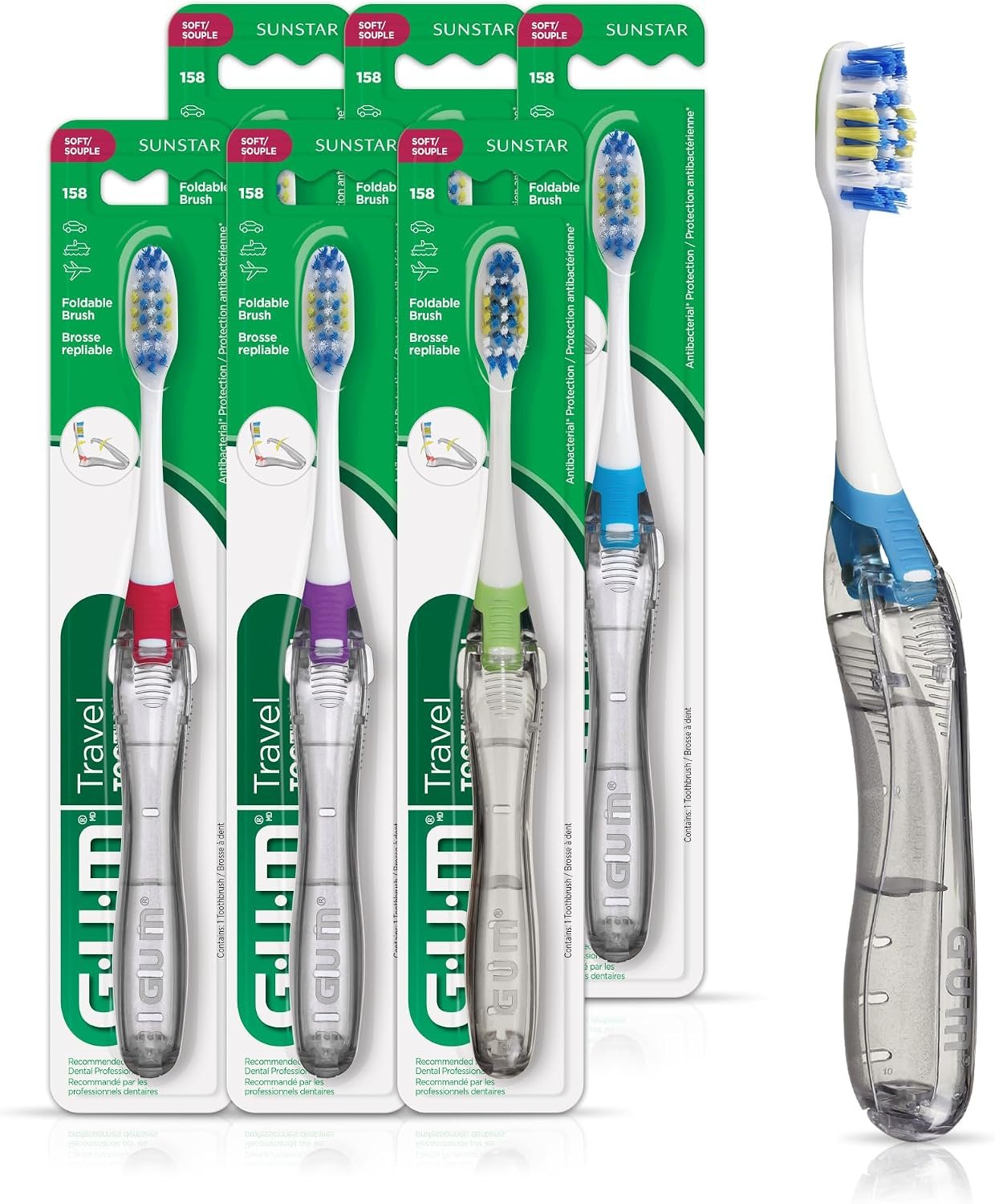
During orthodontic treatment, it becomes even more important to clean thoroughly around the gums and between the teeth every day. Using the right tools can help make oral care easier, more effective, and less frustrating. Electric toothbrushes, water flossers, floss threaders, and interdental brushes can all help reach areas that are difficult to clean with brushing alone. It is normal for oral hygiene to feel more difficult at first with braces or aligners, but small daily habits make a big difference over time. Consistency matters more than perfection. A healthy smile is not only about straight teeth, but also healthy gums and strong enamel throughout treatment.
Traditional braces and clear aligners can trap plaque and bacteria more easily around the teeth and gums, making consistent home care especially important during orthodontic treatment. Keeping the teeth clean helps support healthy gum tissue, reduce inflammation, and lower the risk for cavities and decalcification. Without proper oral hygiene, plaque buildup around brackets or aligner attachments can lead to permanent white spot lesions, staining, and areas of weakened enamel once treatment is complete. Daily brushing, flossing, and cleaning around appliances help protect both the health and appearance of the smile during and after orthodontic treatment.
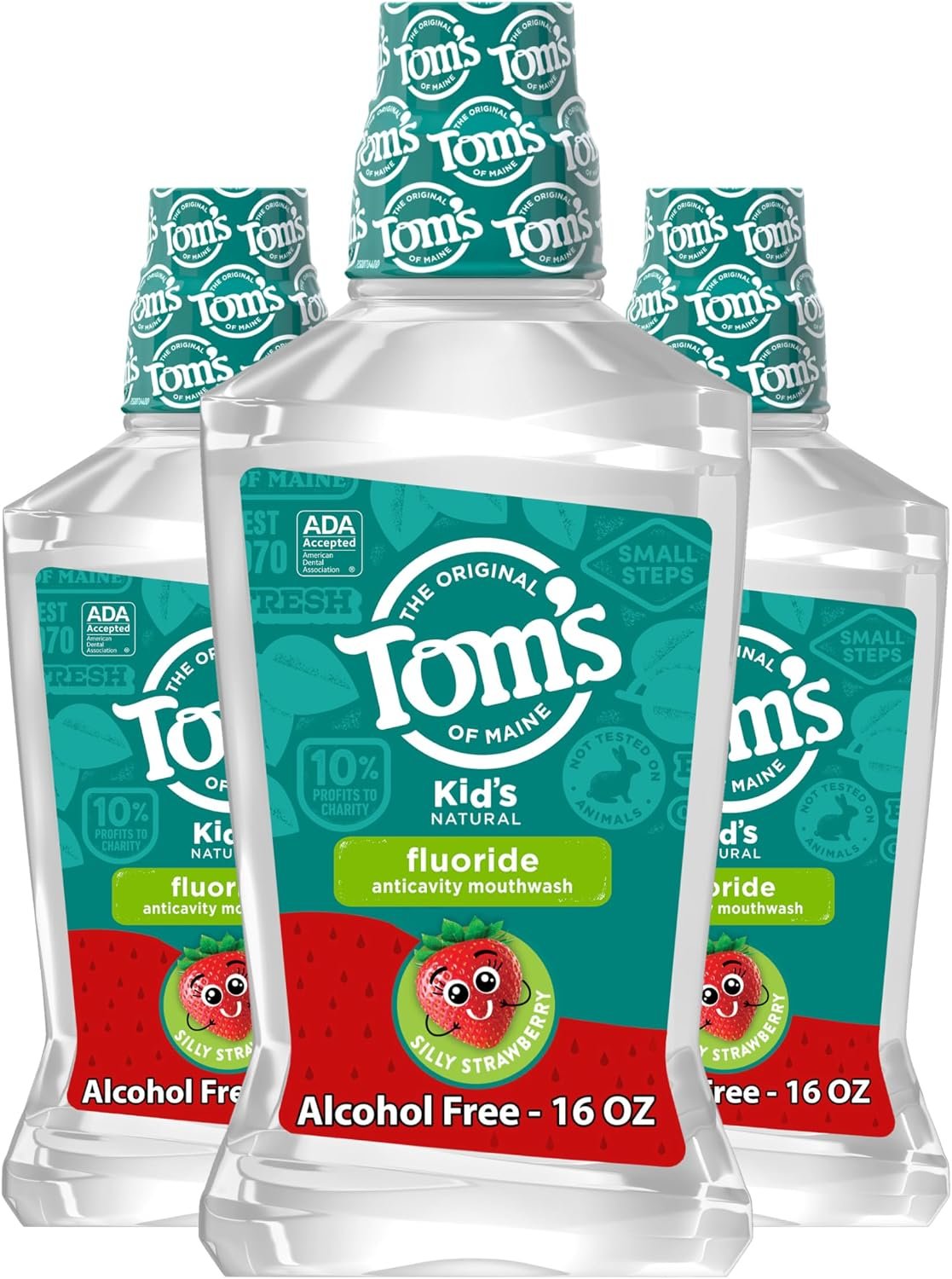
If your child or teen is struggling to keep their teeth clean with braces, consider adding a fluoride rinse each night before bed. Some dental and orthodontic providers recommend a daily fluoride rinse throughout orthodontic treatment regardless. With the number of new cavities I have seen develop during braces, I think it can be a simple and worthwhile extra layer of protection. If you choose not to use fluoride, that is a personal decision. If you do choose to add a fluoride rinse, remember that it does not make you immune to cavities, but it can provide an additional layer of protection that may be worthwhile during orthodontic treatment. Most importantly, please don’t let that extra protection replace good home care.
When it comes to caring for your oral health with braces, the tools you use matter, but how you use them matters even more. I have personally seen orthodontic patients in my chair who feel discouraged because they are brushing twice a day, yet they’re completely missing the gumline. Unfortunately, this can leave plaque behind and put their teeth at greater risk for decay. The same is true with a water flosser. Proper technique matters for it to be effective. I always tell parents and kids not to give up after the first few tries. Everything is a little more difficult with braces, and yes, a water flosser can be messy at first. But once you get the hang of it, I promise it is worth it. Protect the investment you've make in your teeth. Take the time to learn the correct technique and each your child how to clean their teeth. You won't regret it!