
Whitening
Teeth whitening can be a great way to brighten your smile and boost confidence, but not every whitening product or method is the right fit for every person. Sensitivity, existing dental work, enamel health, and the condition of your gums all play an important role in choosing the safest and most effective approach.
Recommendations for Whitening
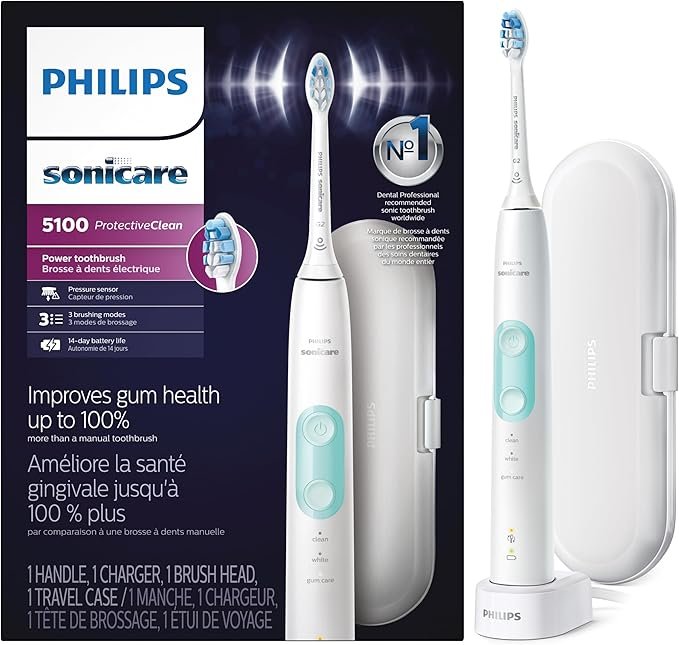
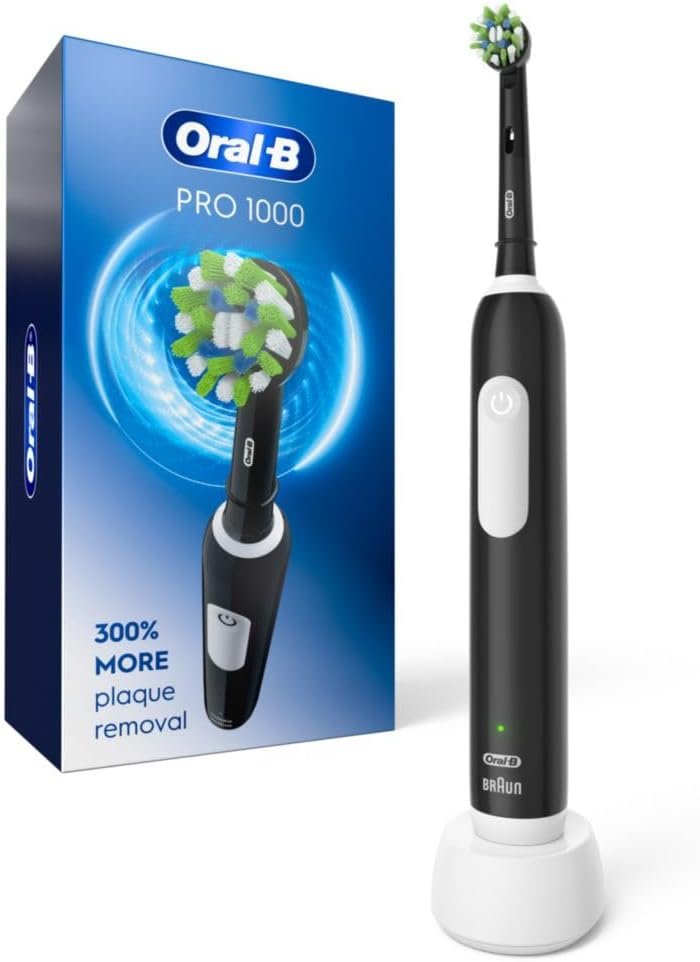
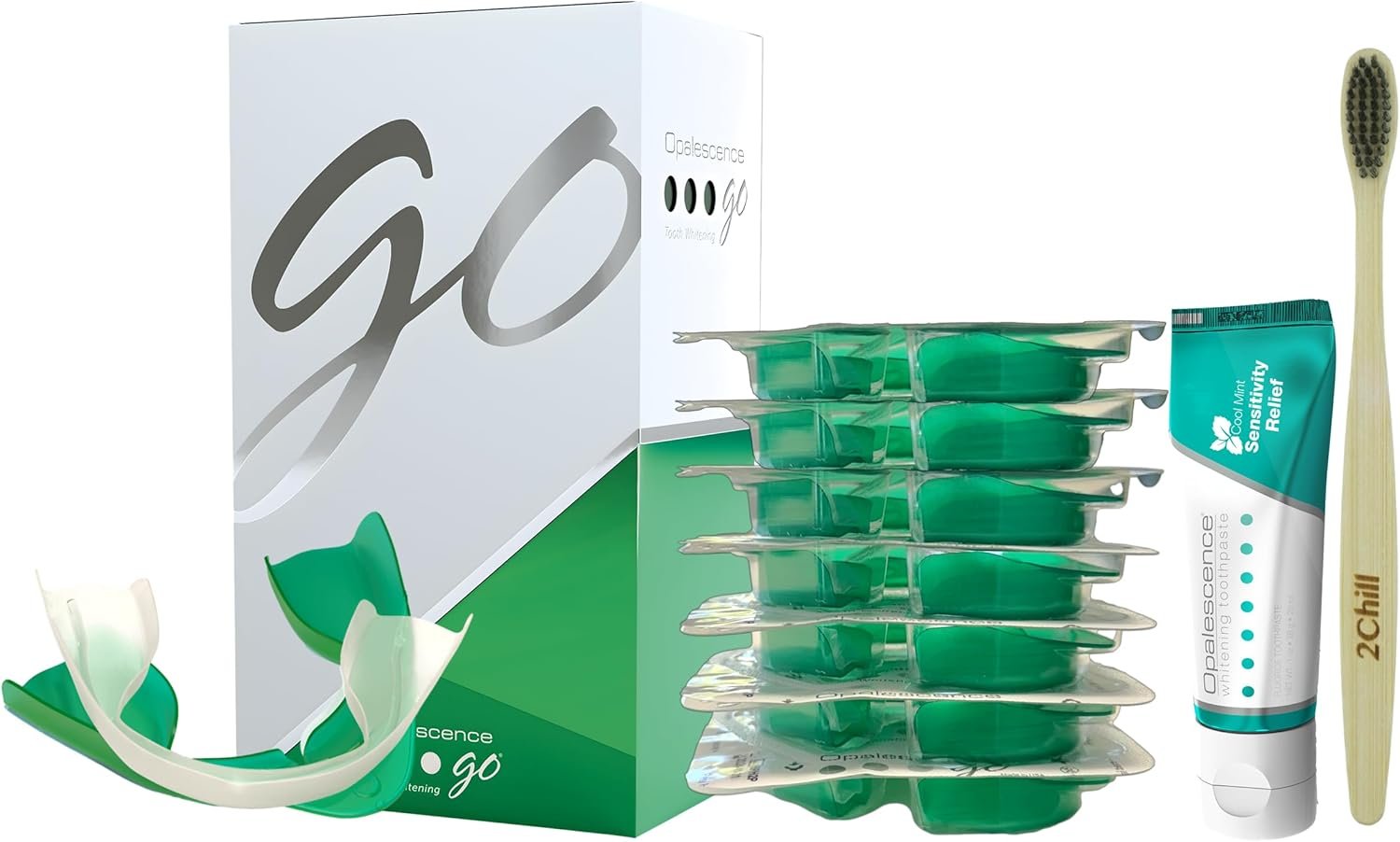
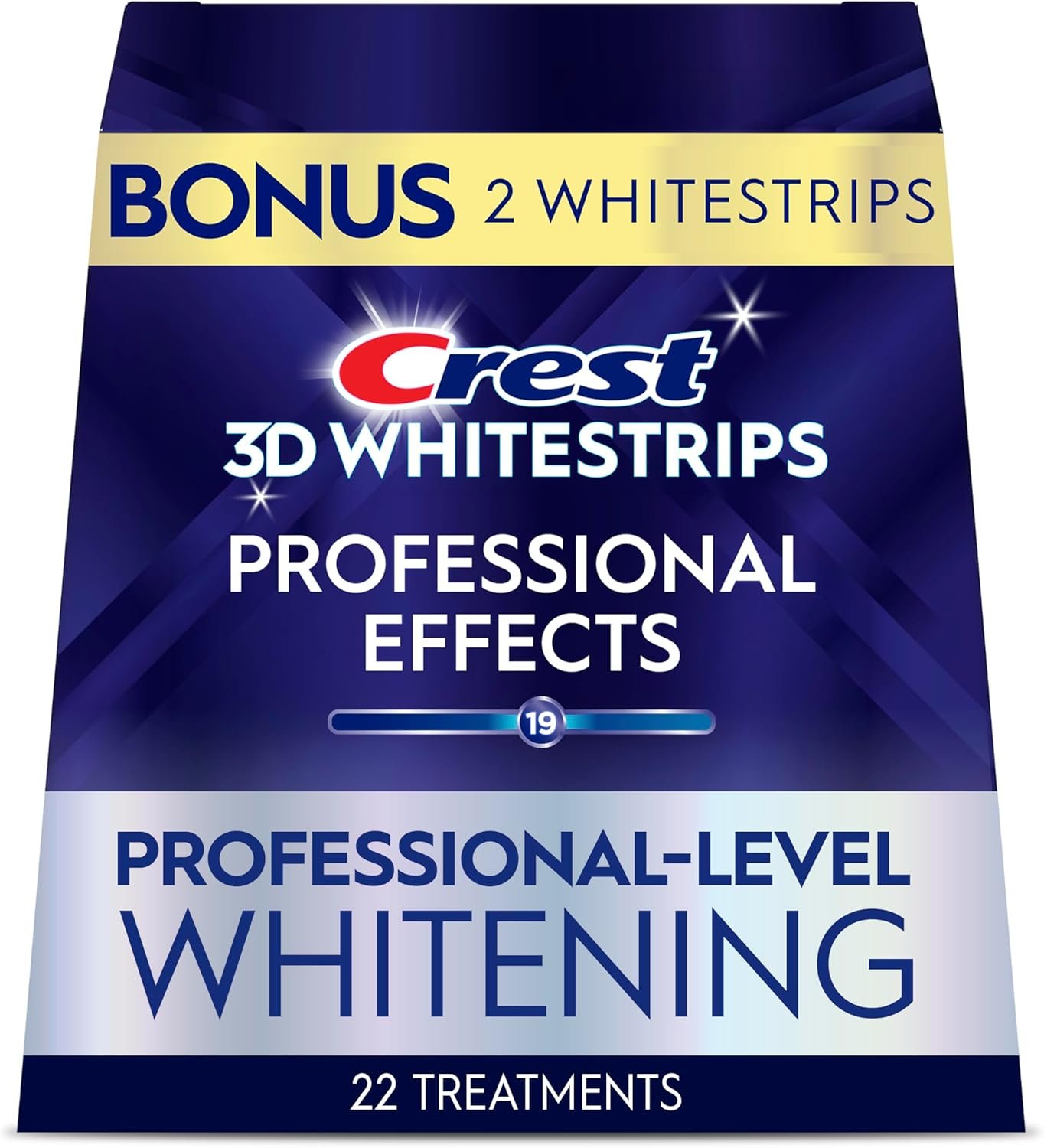
If you are serious about wanting to whiten your teeth, I would start with a Sonicare or Oral-B Braun electric toothbrush. I have seen patients who were not brushing their teeth properly and then added an electric toothbrush, and when used correctly, they noted their teeth looked whiter and brighter with that change alone. After that, try one of these bleaching options linked below or reach out to your Dental office for their recommendations.
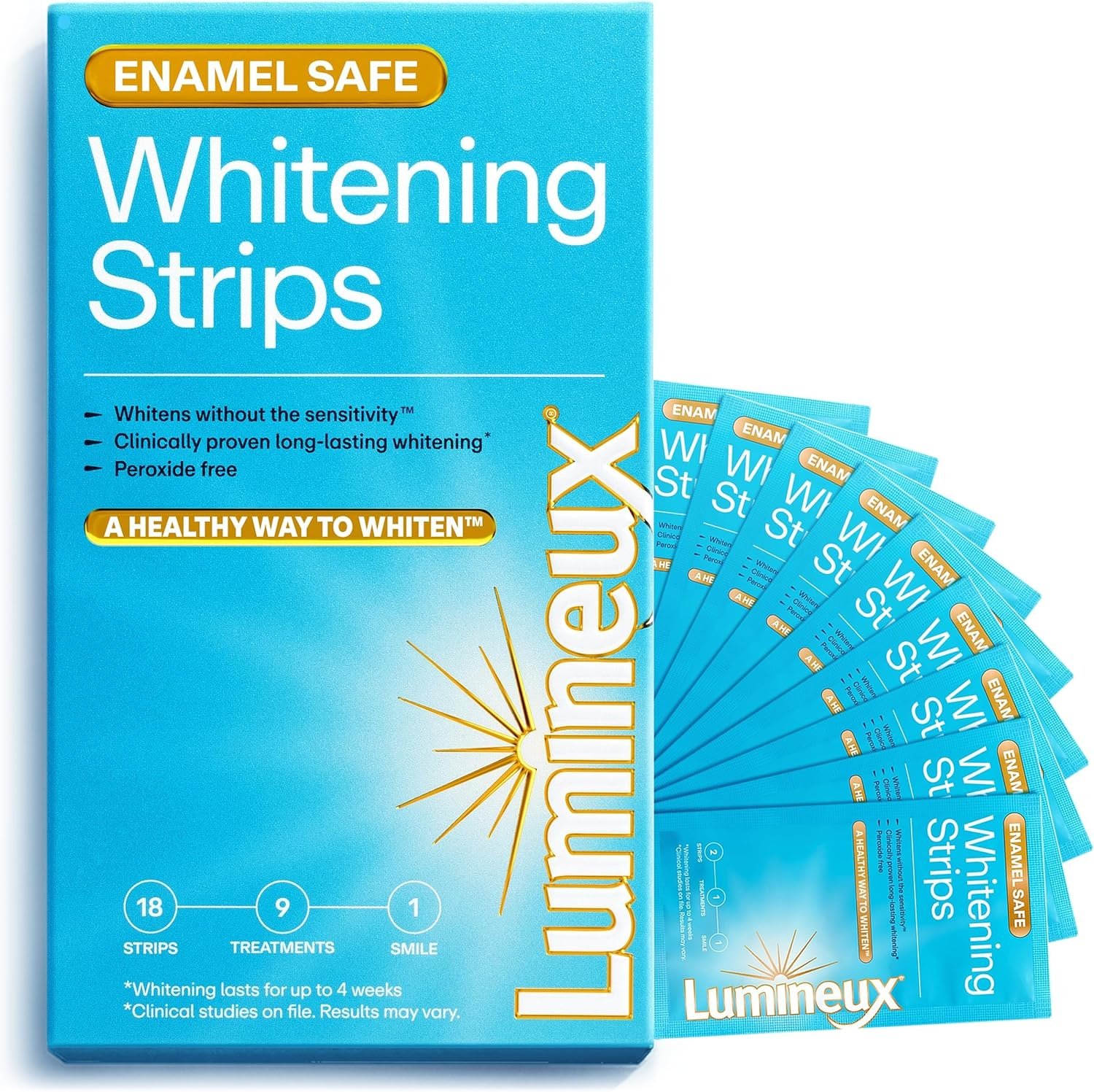
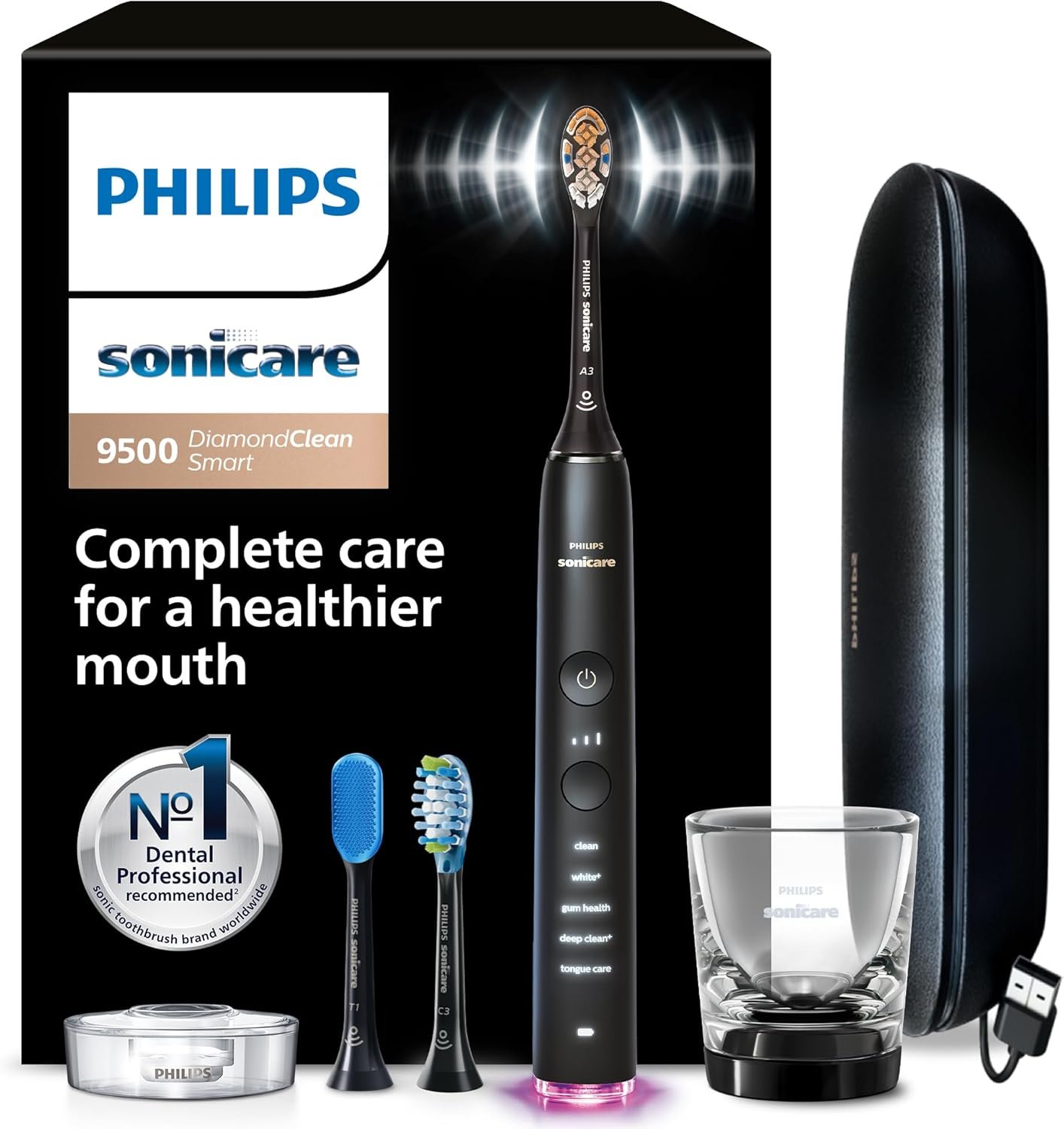
Disclosure: This page contains affiliate links. I may earn a small commission at no cost to you. I only recommend products I trust and/or use in practice.